How to get low cortisol aim in Valorant with a calm crosshair and movement
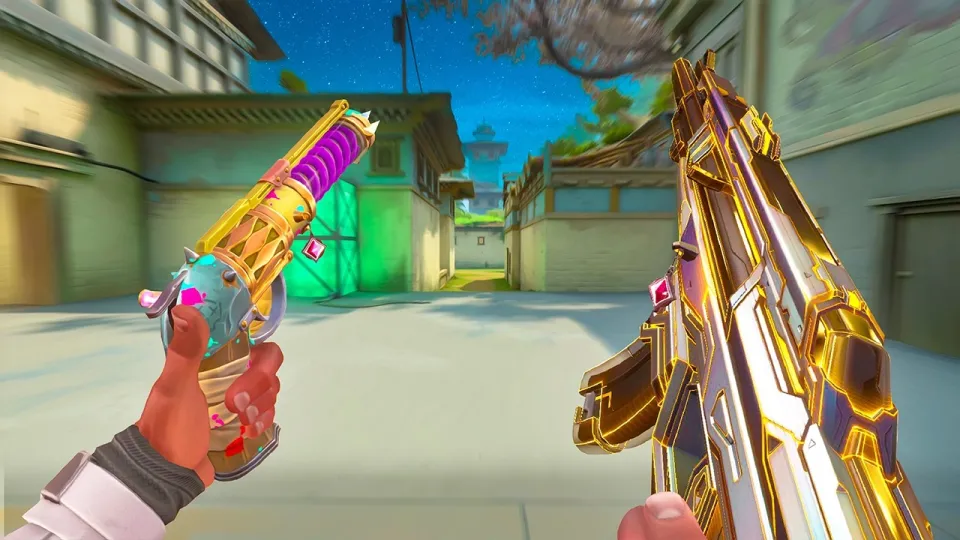
Video: low cortisol aim..
Want articles like this for your own video to promote it on YouTube and Google? Order them through the Telegram bot @sat_sit_bot. The bot writes and publishes the articles itself (with your YouTube video embedded) on popular topical websites (no ads). Your first 50 articles are free.
· based on the channel Rawzu
Low cortisol aim in Valorant is aim you produce with a relaxed hand, a pre-placed crosshair and deliberate movement instead of panic flicks. It is built from a comfortable sensitivity, a repeatable warmup and agent habits that let you take fights on your own terms, not from a magic mouse setting. The term comes from a Rawzu Phoenix montage titled “low cortisol aim..”, and the idea behind it is simple: lower the stress in your hands and the crosshair does the rest. If you want to start with hardware and system tuning, grab the Hone optimization bundle for Valorant before you touch your in-game numbers.
What low cortisol aim actually means in Valorant
Low cortisol aim is a style of aiming where the player stays physically calm, keeps the crosshair at head height and lets tracking and micro-adjustments do the work. The name is a joke about cortisol, the stress hormone, but the practical part is real: tense grip, raised shoulders and rushed flicks all add variance to your shots. Calm aim does not mean slow aim. It means the first bullet leaves at the right moment because the crosshair was already where the enemy would appear.
Three things separate calm aim from ordinary aim:
- Crosshair placement is set before the peek, so the flick is short or unnecessary.
- The mouse is held loosely, with the wrist and forearm doing small corrections rather than the whole arm snapping.
- Movement stops before the shot, so the first bullet is accurate instead of a running spray.
Rawzu's clips lean on this: Phoenix flashes, short peeks and clean one-taps rather than long tracking sprays. The visible result is aim that looks unhurried even when the pace of the round is high.
The settings Rawzu uses for a relaxed aim
Rawzu's setup is deliberately low-sensitivity and high-refresh, which is a common combination for calm aim. His published numbers:
- Sensitivity: 400 DPI at 0.625 in-game, which works out to roughly 250 eDPI.
- Resolution: 1440x1080 stretched, a 4:3 style aspect that widens targets.
- Crosshair: 1-6-2-2, a small static crosshair with a gap that keeps the head visible.
- Mouse: Logitech G Pro X Superlight 2.
- Mousepad: Artisan Zero Soft.
- Monitor: Zowie XL2566K at 360 Hz.
A low eDPI like 250 forces arm movement for big turns and leaves the wrist for small corrections, which naturally reduces twitchy over-flicks. The stretched resolution makes enemy models wider on screen, so the crosshair needs less horizontal precision. The Artisan Zero Soft is a control-oriented pad, and the combination of a light mouse with a slower pad is exactly what players pick when they want stable, repeatable aim rather than raw speed.
How to build calm aim in five steps
Calm aim is trained, not switched on, and the routine below works for any agent. Do it in this order so each step supports the next.
- Fix your sensitivity first. Pick a number between roughly 200 and 320 eDPI and keep it for at least two weeks. Constant changes are the fastest way to keep your hand guessing.
- Warm up with movement, not just flicks. Ten minutes of strafe-and-stop drills in the range teaches your hand to stop before shooting, which is where most panic misses come from.
- Practice crosshair placement on real angles. Walk Icebox or any map you know and keep the crosshair at head height along every wall you clear, without shooting.
- Breathe and loosen your grip between rounds. A death grip on the mouse adds tension to every micro-adjustment; relax your fingers during the buy phase.
- Review one clip per session. Watch your own deaths and count how many came from a moving shot or a pre-aimed angle you ignored.
Gear helps at the margins, but the pattern above is what turns a nervous flick into a calm tap. If your PC stutters during fights, fix that before chasing sensitivity changes, since frame drops make any aim look twitchy.
Why Phoenix suits a calm aim style
Phoenix is an offensive duelist built for players who want to take fights and survive them, and his kit rewards deliberate entries. Curveball flashes around corners, so you can blind a defender without exposing yourself first. Blaze creates a wall that blocks vision and damages anyone who walks through it, giving you cover to cross open ground. Hot Hands adds a molotov that heals Phoenix when it burns him, and Run it Back gives him a second life if the entry goes wrong.
That combination means a Phoenix player can set up the fight instead of reacting to it. Flash, wall, walk through, pre-aim the common angle, take the duel. When the crosshair is already placed, the shot is short and the hand stays relaxed, which is the whole point of low cortisol aim. The agent also forgives aggression: Run it Back lets you test an angle and come back if the read was wrong.
Common questions about calm aim and Rawzu's setup
Viewers of the montage keep asking the same things, and most of them come down to settings versus habits. A few points worth clearing up:
- Sensitivity is personal, but the range matters. 400 DPI at 0.625 is on the low side; if you have a small desk, a slightly higher eDPI will feel calmer than forcing arm aim in a cramped space.
- Stretched resolution is a preference, not a requirement. 1440x1080 widens models, but native resolution is fine if you already pre-aim well.
- A 360 Hz monitor does not create calm aim. It reduces motion blur and input delay, which makes your existing aim easier to trust.
- The crosshair 1-6-2-2 is small and static. Small crosshairs suit calm aim because they do not cover the head you are trying to hit.
If you change one thing this week, change your warmup rather than your mouse.
Useful links
Final takeaway
Low cortisol aim is a habit stack: a sensitivity you stop fiddling with, a warmup that trains stopping before shooting, crosshair placement set before the peek, and an agent like Phoenix who lets you choose the fight. Rawzu's numbers, 400 DPI at 0.625, 1440x1080 and the 1-6-2-2 crosshair, are a working example rather than a universal answer, and the calm part comes from repetition. Copy the routine first, then the settings. The channel Rawzu is worth following for more Phoenix gameplay built around exactly this style, and if you want your setup out of the way before you practice, start with the Hone optimization link.
Key takeaways
- Low cortisol aim means aim held with a relaxed hand and steady crosshair placement instead of panic flicks.
- Rawzu runs 400 DPI at 0.625 in-game sensitivity, a 1440x1080 stretched resolution and the crosshair 1-6-2-2.
- His setup is a Logitech G Pro X Superlight 2 on an Artisan Zero Soft pad, viewed on a Zowie XL2566K at 360 Hz.
- Phoenix pairs Curveball flashes with Blaze walls and Hot Hands, so a duelist can push without spraying blindly.
- A short warmup on aim and movement beats a long one that leaves your wrist tense before the first round.
Source: low cortisol aim.. · Markdown version
Questions & answers
What sensitivity does Rawzu use in Valorant?
Rawzu plays at 400 DPI with 0.625 in-game sensitivity, which is about 250 eDPI. He pairs it with a 1440x1080 stretched resolution and the crosshair 1-6-2-2. That is a low-sensitivity setup built for arm movement and small wrist corrections.
Is low cortisol aim just a meme or a real technique?
The name is a joke about stress hormones, but the practice is real. Calm aim means a loose grip, crosshair placement before the peek and stopping movement before the first bullet. Those habits reduce the variance that comes from panic flicks.
Do I need a 360 Hz monitor and a Superlight 2 to aim calmly?
No. A high-refresh monitor and a light mouse like the Logitech G Pro X Superlight 2 make motion clearer and reduce input delay, but they do not create calm aim. A stable frame rate and a consistent warmup matter more than the panel.
How do I stop tensing up during Valorant fights?
Loosen your grip during the buy phase, breathe between rounds and practice strafe-stop drills so stopping before the shot becomes automatic. Tension usually comes from shooting while moving, so fixing movement fixes most of the panic.